CIDKP under the HR unit promoted the trainer team to make community capacity building effective and collaborated with MDF (Management and Development Foundation), one of the external consultants supported by UNOPS. In 2025, CIDKP began applying this trained skill in the community.
CIDKP and NGLP was meet one of the coordination meetings and sharing the information each other. NGLP was requested to provide a facilitation and report-writing concept for their students. CIDKP was accepted and planned 5’days training package which is started in 8-Dec-2025 and ended in 12-Dec-2025 This training was conducted for the leader from New Generation Leadership program who will be served in Karen National Union department across seven districts.
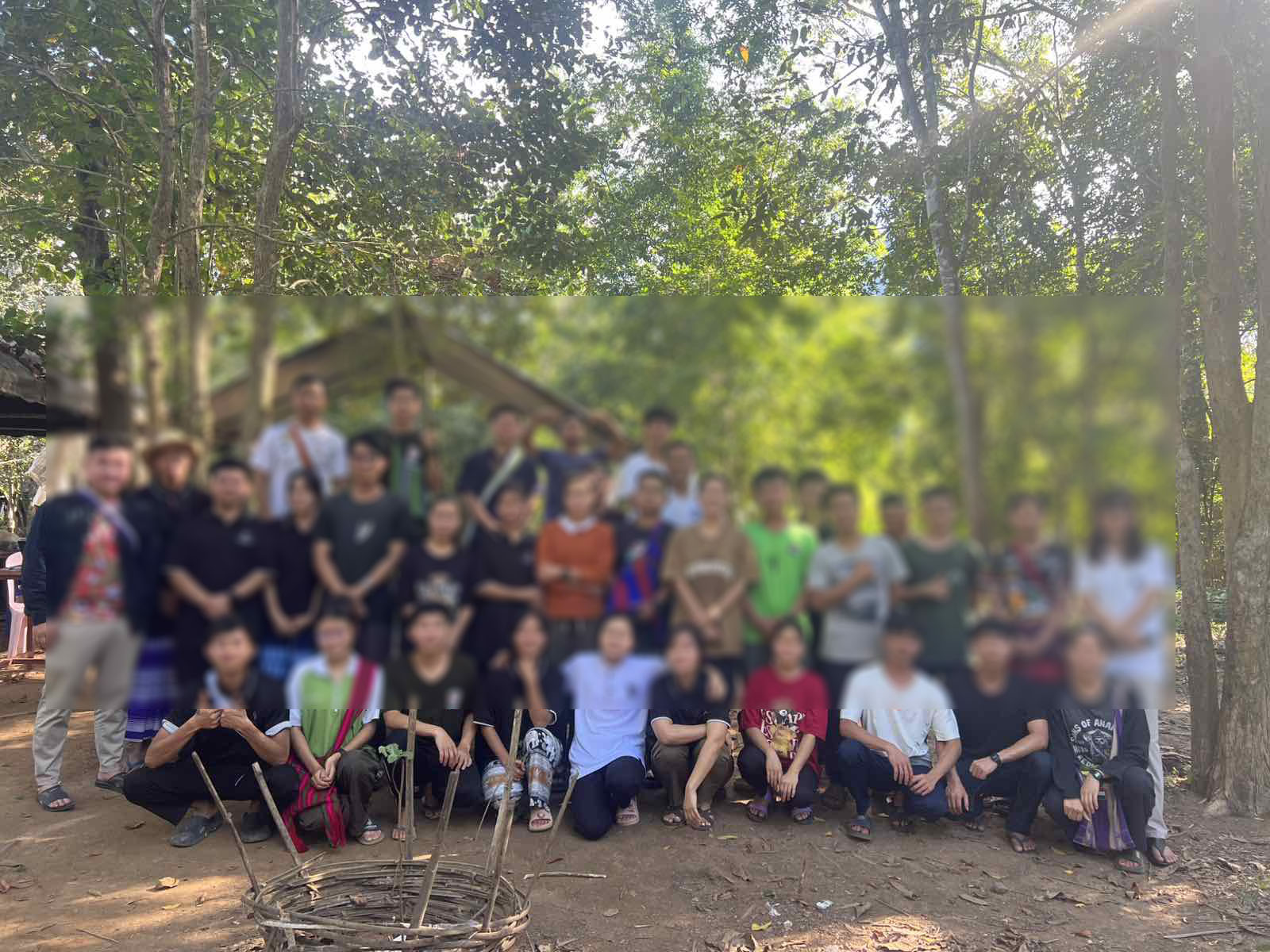
The 5’days training was successfully conducted in the institute of NGLP, Kawthoolei. A total of 37 participants actively joined the training, comprising 13 females and 24 males. In 5’days training, I facilitated by the individual discussion such as experience sharing, group work such as identifying need, role play for training method and tool and feedback practice sessions. As some of the participants have experience in facilitation in the community, they have a lot of questions and share their experiences, such as “My name is Kyaw Kyaw (nickname), I used to be a facilitator for a year. It is easy to facilitate new environment. The community was willing to listen and follow our instruction. But my own village, they do not respect me and not to willing to listen and follow what I am advocate. My question is that kind of situation what shall I do. How to facilitate my community for their participation?”. That kind of question was realistic and it shows their active participation as well.
In group work, they apply all the tool Visual, Audio and kinesthetic in their role play presentation. The topics are Drag awareness, Planation, Team work, problem solving, Mine risk education. Each presentation was prepared for attracting the various audience even they have limitation resource such as time for preparation and tool. They tried their best to present it successfully. In report writing session, each district enables to develop their report format as a milestone.
The participants are new generation leader who are intended to working with the community closely and engage with the people across many sectors such as social, economic and administration. And they have to manage the various kind of people in their community. Especially, after the graduation, they will be automatically assigned by the supervisor in their workplace. Therefore, the leader needs to be readiness for serving in community and these skills are essential for new generation leader.
After each day training, I make recap session before going to the next session by using parcel game, one group one question one leaning points yesterday. As a fresh trainer, I observed that the point they discuss are too general and only have a few key points for discussion. Contrary, instead of asking question directly lesson, they ask more about their experience and how to facilitate on the case they faced. It showed they applied automatically the lesson in their workplace and reflected the learning by doing techniques.
I do believe that 50% of new generation leaders will be applied the learned skill on their workplace where they were assigned not only in community but also in their working area, approximately based on their participation. It mean all the lesson could not be applied for once training completion. They need to further study on this subject. Our delivered topics are even mixed with theory and practice; it is still need to practice and more learning. The more they learned the more they can facilitate effectively. The remaining 50% of new generation leaders are fresh and due to language barrier of delivery lesson, it might be challenge to apply in their work place effectively. However, training resource such as power point and other relevant documents are shared and if needed, trainer contact shared with the participants to coach in case they want to ask question and have any uncleared lesson.
One of the reflections was remarkable from the participant that he reflected point is “facilitation does not depend on the age no matter the facilitator is old or young, it is needing the techniques, tool and experienced. That’s a big learning point for me.” The more experienced and technic we have, the more we can facilitate effectively.”
As the first-time trainer for the youth, it was so excited to deliver these topics. The biggest challenges was language barriers. Most of the participants are understanding in Karen language. Although I am delivering both Karen and Burmese language (much in Burmese), some participants cannot absorb the lesson I have deliver. In some time, I have to facilitate to got their attention with ice breaking activity and teacher assistance for translation arranged by the NGLP.
Another thing is Power point slide content. Some of the content need to adjust information for example, Comfort/ Stretch/ Panic (CSP) exercise, we play the material collection game. The first round is to find the phone, pencil and book. At this stage, the phone is not easy to access due to the ground rule and every student does not usually use the pencil. So, the first round was taking more times to complete the activity and which does not exist in the comfort zone. Consequently, it is affected in the post-test result as well.
Based on the training evaluation completed by 32 participants, the overall feedback shows that the training was useful and relevant to participants’ work. Participants appreciated the opportunity to actively participate during the sessions, and the facilitation was generally clear and supportive. Overall satisfaction with the training was good. However, some challenges were identified, particularly related to time management, venue arrangements, and language comprehension for some participants. For future trainings, it is recommended to improve session timing, strengthen logistical preparation, and provide clearer language support where necessary, translation or interpretation. Participants reported a moderate to good level of confidence in applying the knowledge gained, indicating that the training contributed to capacity development while highlighting the need for follow-up support.