About Us
Vision & Mission
Our History
Our Mission & Vision
Vision
People from Kawthoolei territory are liberated from poverty, and oppression and enjoying a life with peace, development, security, and sufficient safe, and nutritious food.
Mission
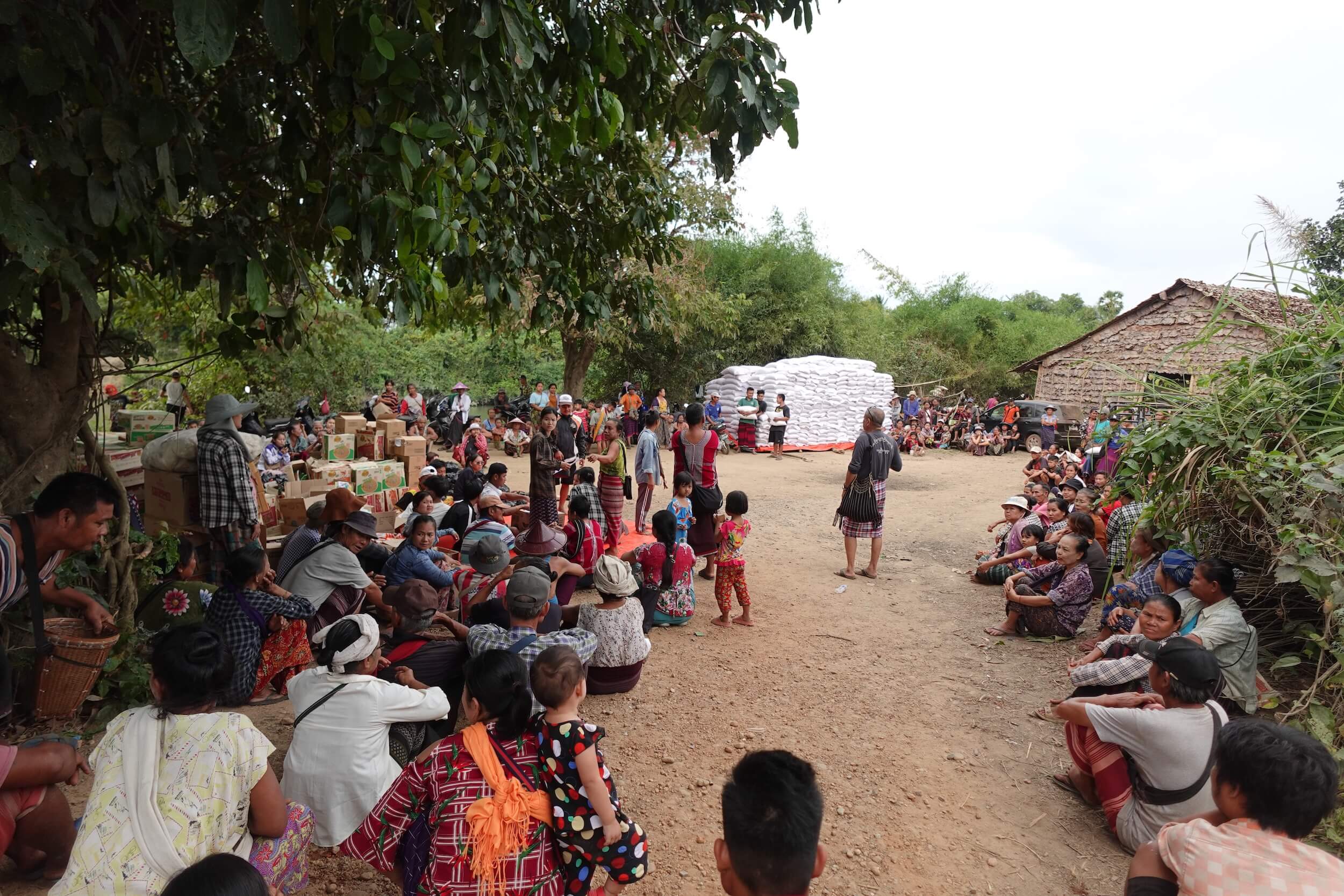
The Committee for Internally Displaced Karen People (CIDKP) is dedicated to helping civilians who are displaced or face hardship as a result of armed conflict access humanitarian aid and rebuild their lives through the promotion of security, capacity building, and development. The committee will advocate for the underprivileged communities and work closely with local authorities, community-based organizations (CBOs and CSOs), international development and humanitarian organizations, and the impacted communities themselves.
Objectives
- The rights of Internally Displaced People (IDPs), returnees, and other conflict affect people; their access to emergency assistance and rehabilitation are secured, and their coping mechanisms are strengthened.
- The livelihood and food security conditions of people in conflict-affected areas are improved.
- Development of the communities in the conflict-affected regions is advanced along with improved infrastructure and basic essential services of the people living in the regions
Our Story
1998: Establishment and Initial Mandate
In 1995, following the fall of the Mar Ner Plaw base, armed conflict continued across Karen State, also known as Kaw Thoo Lei. The situation forced thousands of Karen people into extreme hardship. Many lost their lives in the forests due to hunger and insecurity, while countless families were displaced. Some crossed into Thailand seeking refuge, while many others remained inside Karen State under unstable and dangerous conditions.
Recognizing the urgent need for protection and support, the leadership of the Karen National Union (KNU) and local community leaders convened to discuss solutions. Their collective decision was to establish an organization dedicated to assisting displaced Karen people within Karen State.
On February 5, 1998, Karen leaders from different regions came together to formally establish the Committee for Internally Displaced Karen People (CIDKP) as an emergency response body.
CIDKP functions at the central, state, and township levels. The organization operates primarily under the guidance of the KNU. CIDKP provides humanitarian assistance without discrimination based on religion, race, or ethnicity, ensuring inclusivity and leaving no one behind. As of 2024, CIDKP mobilized approximately 400 staff and volunteers at all levels to support displaced communities.
CIDKP remains committed to protecting and assisting internally displaced Karen people. Its work is guided by humanitarian principles, inclusivity, and community solidarity. By coordinating across multiple levels of leadership and mobilizing local resources, CIDKP continues to play a vital role in safeguarding vulnerable populations in Karen State.
At inception, CIDKP was a nascent community-based organization with limited operational capacity and resources. Its strategic focus was on delivering humanitarian assistance and rehabilitation services to IDP populations residing in hard-to-reach, conflict-affected areas largely inaccessible to larger humanitarian actors. Geographically, CIDKP’s operational footprint encompassed Karen State, Mon State, Eastern Bago, and Thanintharyi regions.
1999–2011: Organizational Growth and Programmatic Expansion
The Center for Indigenous Development of Karen People (CIDKP) was established in 1998 by local Karen stakeholders in response to the escalating humanitarian needs of internally displaced persons (IDPs) in South-East Myanmar. At inception, CIDKP was a nascent community-based organization with limited operational capacity and resources. Its strategic focus was on delivering humanitarian assistance and rehabilitation services to IDP populations residing in hard-to-reach, conflict-affected areas largely inaccessible to larger humanitarian actors. Geographically, CIDKP’s operational footprint encompassed Karen State, Mon State, Eastern Bago, and Thanintharyi regions.
2012–2020: Engagement in Peacebuilding and Capacity Development
The 2012 political opening in Myanmar created an enabling environment for CIDKP to broaden its mandate. The organization initiated collaboration with the Tatmadaw (Myanmar Armed Forces) on peacebuilding initiatives, underpinned by increased international donor support for democratization and local governance strengthening. CIDKP scaled up operational capacity, instituting robust organizational systems and staffing structures to solidify its role as a leading local actor for IDP support in South-East Myanmar.
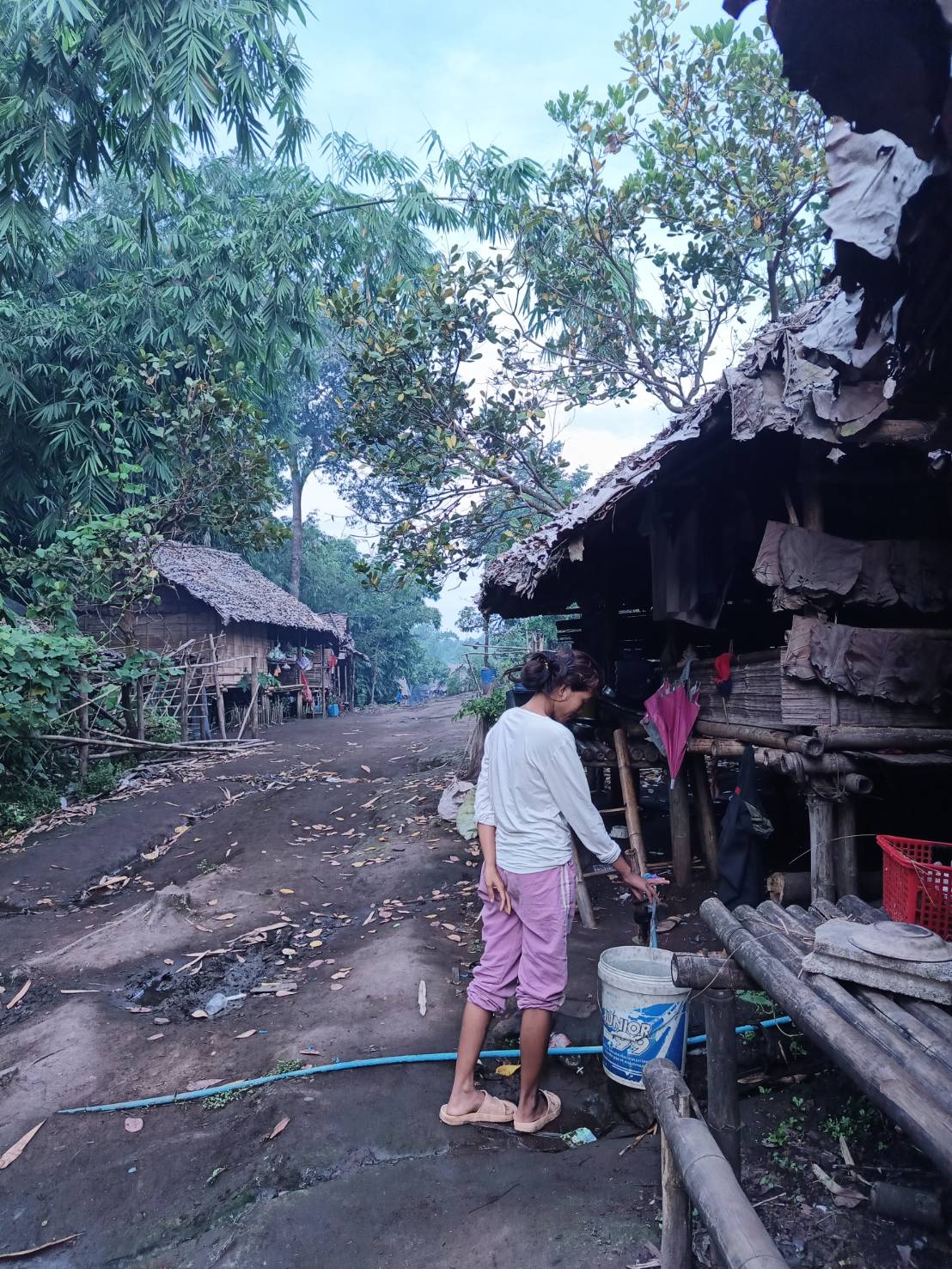
Programmatic diversification included livelihood skills training to promote economic resilience among IDPs, facilitation of safe migration pathways, and WASH interventions focusing on water quality assessment and installation of sanitation facilities in displaced and host communities. Additionally, CIDKP implemented Explosive Ordnance Risk Education (EORE) programs aimed at mitigating mine-related casualties, supported by the formulation of a locally endorsed Humanitarian Mine Action Policy to foster communication and risk reduction between communities and military actors.
2021–Present: Humanitarian Emergency Response and Community Empowerment Post-Coup
Following the February 2021 military coup, South-East Myanmar experienced a dramatic escalation in conflict and displacement dynamics, characterized by widespread airstrikes and intensified armed clashes. The region saw a significant influx of IDPs not only from traditional conflict zones but also from central dry zone areas including Yangon, Naypyidaw, and Mandalay.
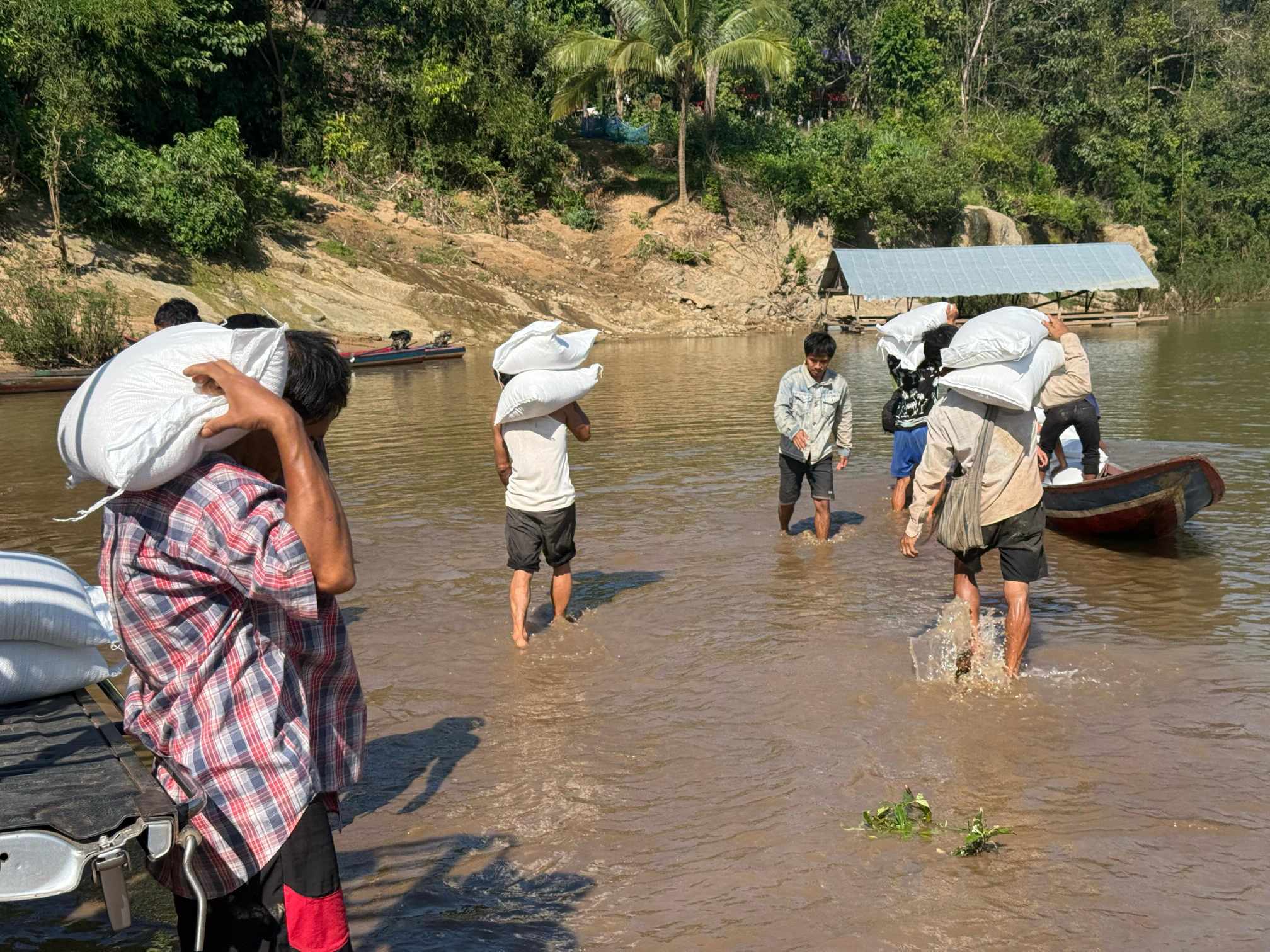
In response to overwhelming humanitarian needs, CIDKP rapidly expanded its operational capacity, deploying over 400 staff at the peak of the crisis. Partnering with major international donors, CIDKP assumed a key coordination role to deliver multi-sectoral emergency assistance across the region.
CIDKP pivoted away from peacebuilding activities, prioritizing community empowerment and resilience-building initiatives. Current programming includes capacity building for local governance structures, deployment of early warning systems for conflict and disaster preparedness, technical support for community-led reconstruction efforts, and diversified livelihoods training to bolster self-reliance.
Coordination mechanisms have been strengthened through strategic partnerships with Karen Emergency Response Team (KERT), Karen Women’s Organization (KWO), Karen Youth Organization (KYO), Karen Human Rights Group (KHRG), and other Karen community-based and civil society organizations, ensuring a localized, participatory humanitarian response.
While exact displacement figures remain fluid due to ongoing population movements, recent estimates suggest upwards of 1.1 million IDPs within South-East Myanmar, underscoring the critical need for sustained humanitarian engagement.